
I’m Manoel Panev, I’m 22, and DruckLab is my workshop in Karlstadt am Main. I trained as a technical product designer, I started 3D printing at 18, and I’ve been selling printed parts since 2023. This is the long version of the About page: where I come from, how my head works, and why the things I build look the way they do.
Where I come from
I’m not from Germany originally. My family comes from Bulgaria, and my grandpa still speaks Bulgarian. Today I live in the Spessart, a hilly, wooded area near Würzburg, and I run DruckLab from here. Being the kid from somewhere else was a big part of my school years, and I’ll get to that in a minute.
School and the grandpa phone
Not everyone liked me at school. My whole class didn’t, and once kids from half the town chased me because of where my family comes from. I ran as fast as I could and they never caught me. That’s still how I see myself: chased, but always one step ahead.
At home it was different. My family always said I was the smart one. In first grade my grandpa gave me a phone for a very good grade, and I was the only kid in my class who had one. I worked out how to download games, and then I let the other kids play on it for a few euros. At the end of the day I had enough money to buy things. That was my first business. At ten I was running my own Minecraft servers, and I kept at it until I was about twelve.
It took me until my teens to learn the next part: I don’t need the whole room to approve of what I do. I decided to look after myself first and build what I want to build. I still work that way.
ADHD, honestly
I have ADHD. For me that doesn’t mean “can’t concentrate”. It means I have two modes. In the first one, which I call full throttle, something grabs me and I get fast and precise and lose track of the clock. I once stayed on a single build for fourteen hours. In the second one I go quiet. I need peace, and pushing doesn’t help.
The flip side: I forget things quickly, I’m bad at finishing, and I let details and order slide. So I stopped fighting that and built around it. My open tasks live on a tablet on the wall, with progress bars I can see from my desk. A reminder pops up every hour to make me stand up and stretch. None of my systems rely on me remembering anything.
I’m also a night person. I usually fall asleep somewhere between five and seven in the morning and get up in the afternoon. When I counted my work sessions this summer, 44 percent of them happened at night. I don’t treat that as a problem. It’s quiet, and a lot of my tools get built then.
Health, the other half
For years I’ve had headaches, mostly on the left side, and my left nostril is almost always blocked. I don’t have a diagnosis yet. What I have is a list of suspects: nose, jaw, neck, and eyes that spend too long on screens. On 7 October I did a few rounds of neck exercises and massaged my jaw and my nose, and the headache was almost gone.
So I built a break reminder for the wall tablet. It walks me through stretches and breathing exercises, and it asks me how my nose feels before I start. Once I have enough numbers, I’ll take them to a doctor. I’d rather show up with data than with “it hurts sometimes”.
Three lighters
A few weeks ago I opened the junk drawer and found three lighters, all dead. None of them worked, but each one still had something good inside. One had a flint wheel that still sparked. One had gas left in the tank. One had a valve that sealed properly. I sat down with a small screwdriver and a pair of tweezers, and a while later I had one lighter that worked, built from the best part of each of the three.
It’s a small and slightly silly story, but it’s the move I use for almost everything: look at what’s broken, find what still works in each piece, and build something that does the whole job. I learned the same thing from the phone and the Minecraft servers. I don’t consume things, I take them apart until I understand them.
From eBay seller to DruckLab
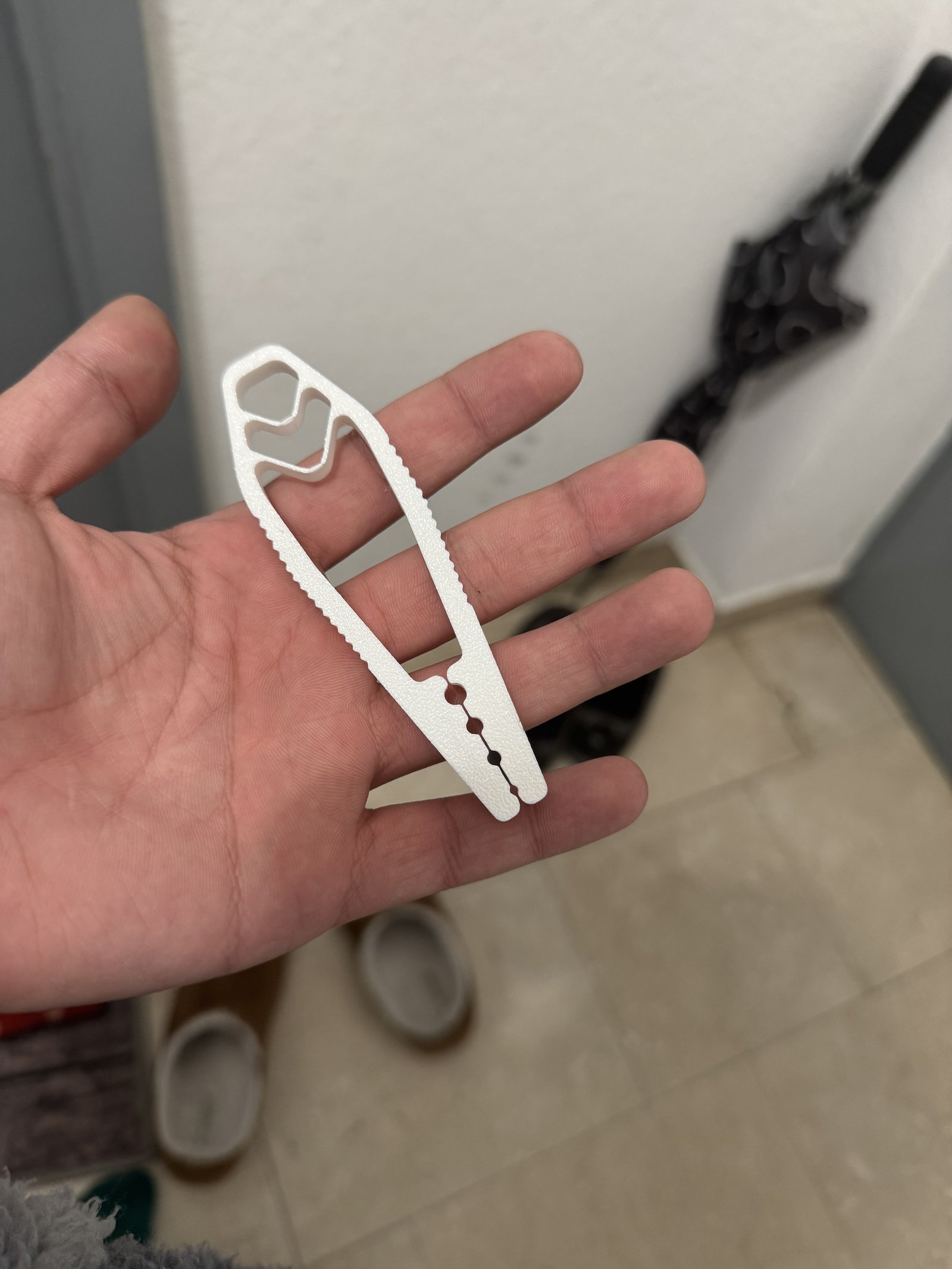
I started 3D printing at 18 with a simple first printer. Then came a Prusa Mini+, and today the workshop runs on a Bambu Lab X1C and an A1 mini. In July 2023 I registered my business, at first under a different name. I tried Etsy first, and it went nowhere. eBay worked, and that’s where most of my orders still come from.
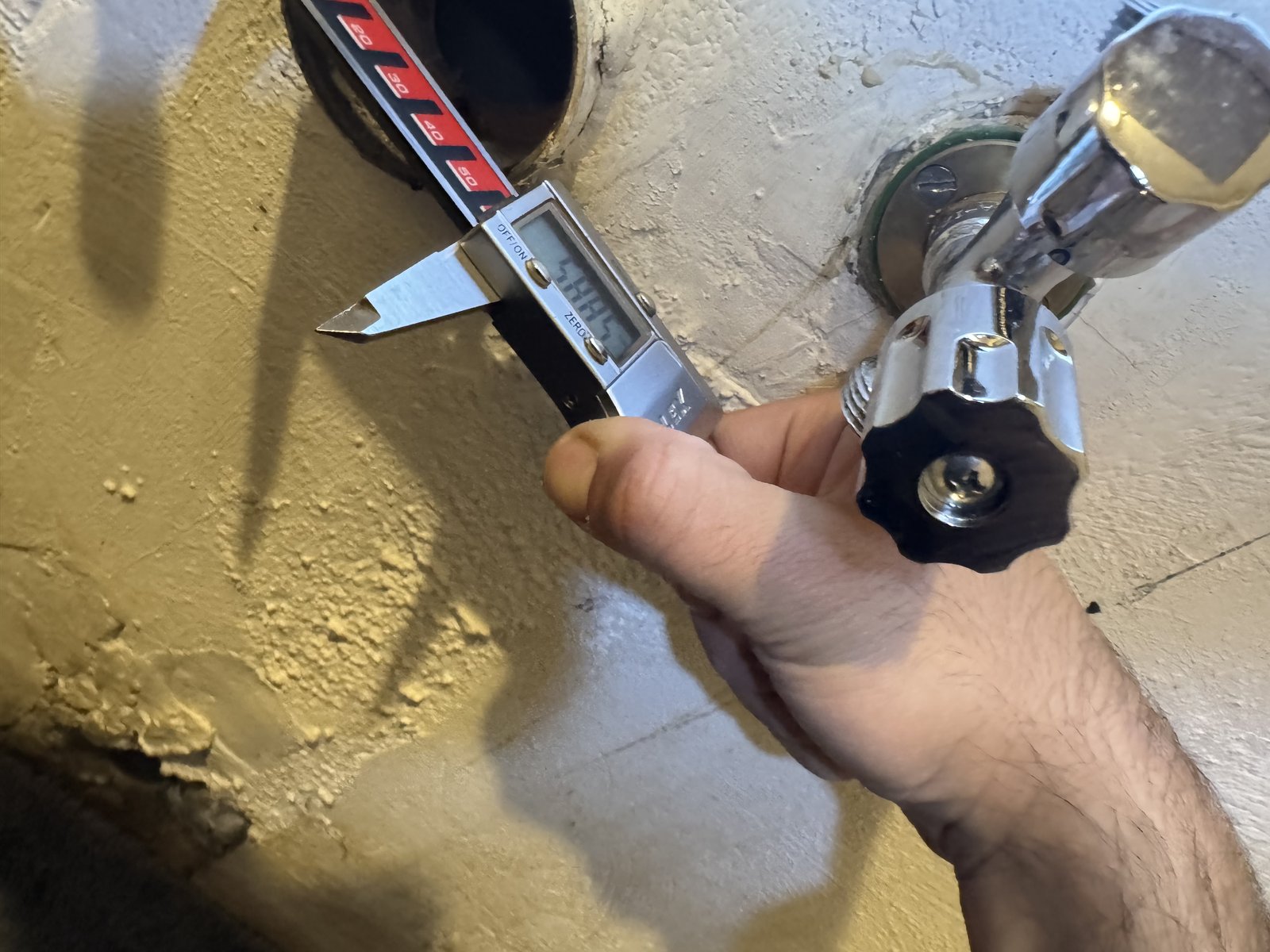
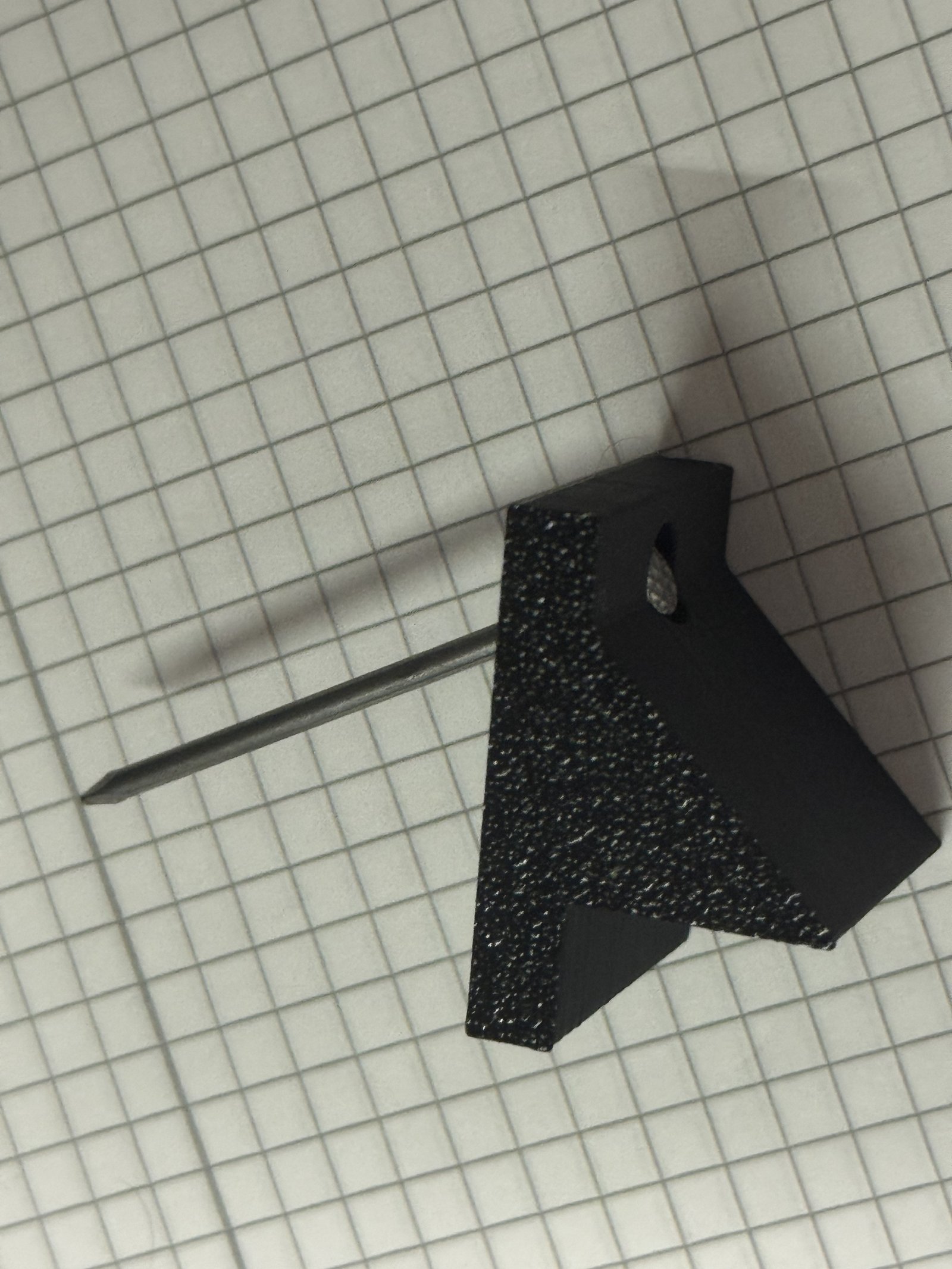
In the beginning it was simple: someone needed a part you can’t buy, and I designed and printed it. Holders, replacement parts, series for products. My training as a technical product designer shows in how I work. I measure first, and I design second.
How I work now
Over time the orders grew, and so did the paperwork around them: quotes, invoices, photos, files. So I started building small tools for my own workshop. A calculator that gives a price for a print file. A sorter that puts scans and invoices into the right folders and gives them names you can understand. An assistant that drafts our Instagram posts.
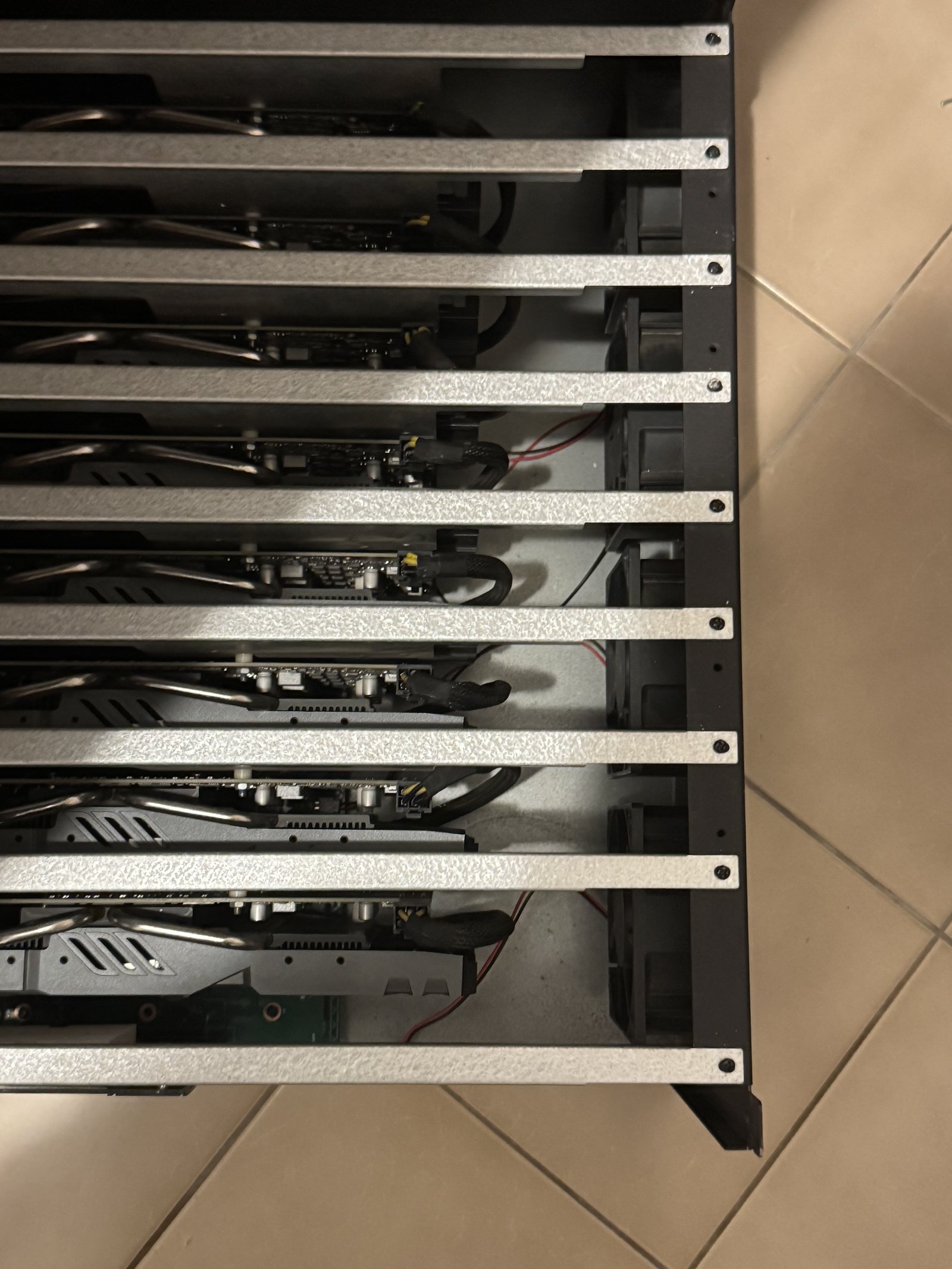
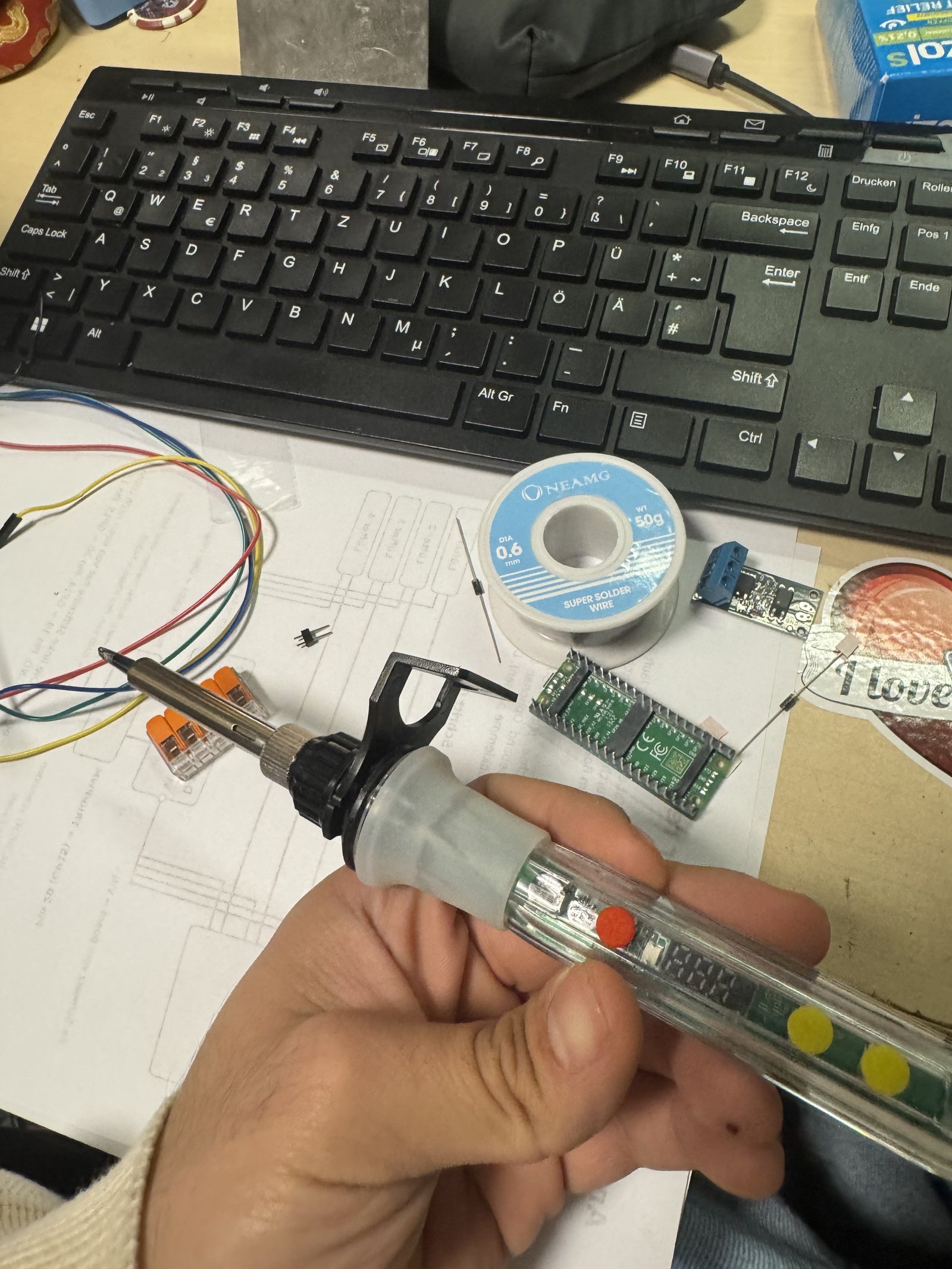
I don’t type all of that myself. I lead a small team of AI assistants, some in the cloud and some on my own hardware. The hardware is eight graphics cards in an open metal frame, my local AI server. Most of our tools run on computers in the workshop, not somewhere in a data centre. When something needs electronics, I solder it myself.
The sorter runs completely offline on a normal Windows PC. It proposes a folder for every file, and nothing moves until I click. The screenshot below uses invented sample data, and the interface is in German.
The same habit goes for the people close to me. For my grandpa I built a small bot that sends him an evening summary. One rule: it gets no access to my own data.
Every tool we offer, we use ourselves first. If it doesn’t save me time in my own workshop, I won’t sell it to you. That’s also why I can tell you honestly what works well and where you still need to check the result.
What I want to build
I want to be known under my own name, and I want DruckLab to be the place where that happens. 3D printing is the door opener. The long-term plan is to sell things that don’t eat my own time: step-by-step guides, ready-made systems that grew out of my own projects, and tools that take boring work off a small business’s desk. I’m not there yet, and I’d rather say so than pretend.
One of my own designs is a gimbal cup holder for people with hand tremors. It’s the kind of product I like best: a real problem, a small shape, and no way to buy it off the shelf.
Today I do three things for businesses:
- 3D printed parts, from a single replacement part to a series
- Small AI tools that take boring work off your desk, set up on your own computer
- Support afterwards, so the tools keep working
Our motto is “Made to fit”: every part and every tool is built for one specific problem. If you have one, write me two sentences about it. I usually reply within one working day.